Every rainy season someone messages me from a hostel bunk in San Ignacio with the same question: is the ATM Cave dangerous? Fair question. The honest answer is that it is about as dangerous as any cave with a river running through it, which is to say perfectly manageable with the right guide and quietly miserable with the wrong one.
Except that’s only a third of the story. “Cave tour” in Belize is not one product. It’s a family of products with wildly different risk profiles, and the advice that keeps you upright in one will get you turned away at the gate of another.
Why Belize Cave Safety Defies Generic Adventure Advice
Belize runs three broad categories of underground trip, and they are not interchangeable. Knowing which one you have actually booked is the single most useful safety decision you will make all week.
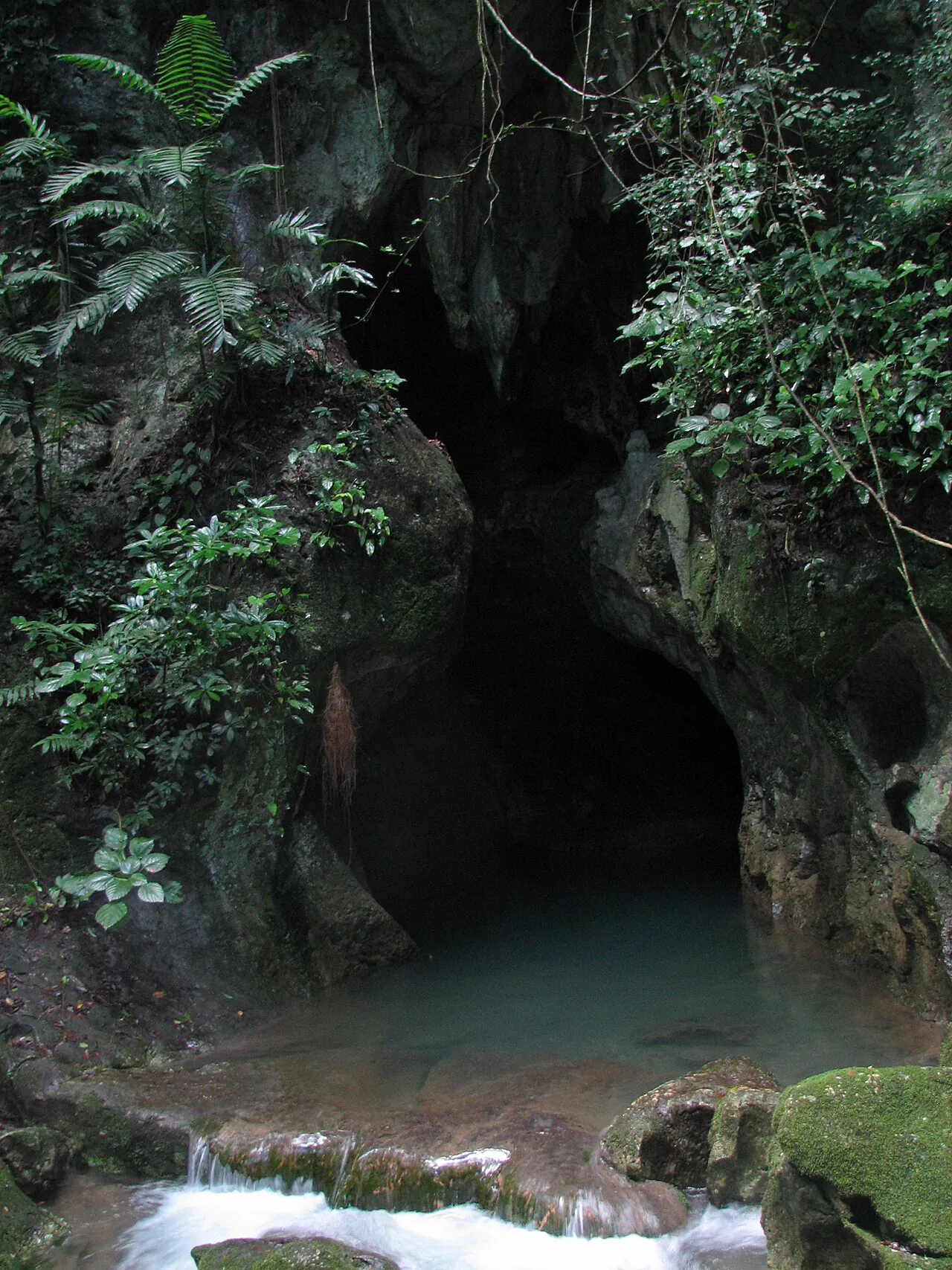
- Wet adventure caves. Actun Tunichil Muknal is the benchmark: a live river inside the cave, a swim at the entrance, three creek crossings on the approach, mandatory life vests and a full-contact scramble over submerged boulders.
- Dry archaeological caves. Crystal Cave and Actun Uayazba Kab in the Mountain Pine Ridge sit above the water table. You walk, stoop and climb, but you are not swimming, and your shoes stay more or less your own.
- Float-through river caves. Nohoch Che’en and Barton Creek put you in a tube or a canoe on flat water. The cave is scenery rather than obstacle course, and the physical demand drops through the floor.
Muddle those up and you pack the wrong footwear, book a trip your knee will regret, or hand your money to somebody who is not licensed to take you anywhere at all. The dedicated difficulty and swimming page handles the ATM-specific questions in detail. What follows is the regional logic: how to vet a guide, what to put on your feet, and how to read the weather before you commit.
Comparing Belize Cave Environments and Safety Profiles
| Cave | Environment | Physical demand | Key safety note |
|---|---|---|---|
| Actun Tunichil Muknal (ATM) | Wet, active river, full swim at entrance | Vigorous, rated 4/5 by the BTB | Life vest mandatory; 6 guests per guide; socks required in the dry chamber |
| Crystal Cave (Mountain Pine Ridge) | Dry, walking and stooping | Moderate | Slippery underfoot in humid weather; no river crossings |
| Actun Uayazba Kab | Dry, compact chambers | Easy to moderate | Low ceilings; good first cave for nervous visitors |
| Barton Creek | Canoe, seated, candlelit | Easy | Guide paddles throughout; no swimming, but ducking under ledges |
| Nohoch Che’en (Caves Branch) | Inner-tube float on flat water | Easy to moderate | Water level dependent; closed after heavy rain |
| Caves Branch kayaking | Sit-on-top kayak, open river sections | Moderate | Upper-body effort; not ideal for shoulder injuries |
Read that twice if you are travelling with a group whose fitness varies. The gap between Barton Creek and ATM is not a gap in scenery. It’s a gap in what your body is asked to do for four hours.

Vetting Cave Guides: Accreditations, Ratios and the Five-Minute Street Check
Right then, the practical bit. Belize has two layers of paperwork that matter, and tour touts on Burns Avenue tend to blur them.
The first is a Belize Tourism Board licence, which any legitimate operator should hold and display. The second is site-specific: only 62 guides in the entire country hold the specialist ATM certification, and a general naturalist or cave licence does not grant entry to Actun Tunichil Muknal. Since January, the national cap has been six guests per ATM guide, down from eight, and most guides lead a single group per day. Independent entry is illegal, and tickets are sold only in San Ignacio town to licensed operators. Nobody sells you a ticket at the reserve gate, whatever the man at the roundabout tells you.
Five minutes of checking saves you a wasted morning. Do it in this order:
- Ask for the operator’s BTB licence number and the name of your assigned guide, in writing (a WhatsApp message counts).
- Confirm the guide is ATM-certified specifically, not just “cave certified”.
- Confirm the group cap in your booking: no more than six guests per certified guide.
- Ask for an all-in total in writing, including the BZ$60 (US$30, roughly €27) NICH entrance fee, 12.5% General Sales Tax and any out-of-town pickup surcharge.
- Ask what happens if NICH closes the cave for high water, and get the refund terms in a message before you pay.
That fourth point catches people constantly. Headline quotes of US$90 to US$100 from San Ignacio often exclude the NICH fee, the tax and a US$10 to US$40 pickup charge, so the honest comparison is the final number, not the sticker. Full cancellation and inclusions policies sit on the tickets and tours page if you want to compare before you walk into a shop.
“A general naturalist licence is not a cave key,” one Cayo guide told me, tapping his laminated card. “Ask to see the card. Anyone real will be pleased you asked.”
If you want to skip the street negotiations entirely, Cayo Inland Expeditions on Burns Avenue runs a 7:00 AM departure at around US$145 (about €133) per person, which puts you at the cave mouth before the 8:00 AM San Ignacio wave arrives. The crowd-management detail matters more than it sounds: the whole daily quota of up to 125 visitors enters in a single morning push, so early is genuinely better.
Subterranean Risk Management Across Cayo
If You Want the Archaeology
Accept the water. ATM’s dry upper chamber, the one guides call The Cathedral, is reached only after a swim, three river crossings and a climb up a wet metal ladder. You will be in wet clothes for roughly three hours. Choose this one for the Crystal Maiden and the pottery, and budget your energy accordingly.
If You Want the Underworld Without the Scramble
Take Barton Creek by canoe, or float Nohoch Che’en in a tube. You still get the cathedral feeling, the dark and the echo, with none of the three-points-of-contact work. Barton Creek is the gentler of the two and the better pick for anyone nursing a knee, a shoulder or a bad back.
Footwear Is the Whole Ballgame
If you remember one thing about what to wear at ATM Cave in Belize, make it this: closed-toe shoes with actual tread. Sneakers, trail runners, hiking boots or proper closed-toe water shoes. Crocs, flip-flops, open sandals and those thin sock-style water shoes get you turned away at the trailhead, and the rangers are not negotiating.
Your shoes will be soaked within ten minutes and stay that way for hours, so bring a dry pair for the van. Thick socks are the other genuinely load-bearing item. Not a comfort tip: the calcified floor of the upper chamber is sharp, the ladder rungs are wet metal, and there are boulders at shin height that have collected a lot of bruises over the years. Socks are compulsory in the dry archaeological zone, and shoes come off at the top of the 12-to-13-foot ladder that guides call “the elevator”.
Wet Passages: What “Swimming” Actually Means Here
Tour marketing does strange things to the word swim. At ATM, it means a short swim across the entrance pool of roughly 20 feet, three crossings of Roaring Creek on the jungle approach, and then ankle-to-chest wading for much of the interior. Life vests are mandatory and fitted at the trailhead. Nobody is doing laps.
The distinction that matters is between “confident in water” and “can swim”. Guides need to know which one you are before you get in, not halfway across. If you can float on your back, keep your head above the surface and follow a rope, you are fine. If the idea of cold water above your waist makes your breathing go shallow, say so at the trailhead. It changes how they position you in the group and how much hand-holding you get, and no guide has ever judged anyone for it.
Cold, Dark and Slippery: The Three Things That Catch Out Fit People
Fitness is not cave-readiness. I have watched marathon runners wobble where a 60-year-old birdwatcher walked clean, and the reason is always the same trio.
- Cold. The water sits at a steady 22°C (about 72°F) year round. That is fine for ten minutes and genuinely sapping after ninety, and cold hands lose grip strength long before cold legs lose power.
- Dark. Headlamp only, for hours. Depth perception narrows, and people start reaching for handholds they can’t see.
- Slippery. Three or four points of contact on submerged rock, the wet ladder and the 6-to-8-foot boulder ledge. Most slips happen on the way out, not the way in, when tiredness has quietly eaten your concentration.
The fix is unglamorous: move slowly, keep three points on the rock, and let the guide spot you rather than proving you don’t need spotting.
Most cave injuries in Belize are not dramatic. They are tired ankles, cold hands and one rushed step on the exit.
Claustrophobia: An Honest Read, Plus the Bypasses That Exist
Two moments test people. The first is the hand-in-hand walk through total darkness, which lasts about a minute and unnerves more visitors than the water ever does. The second is a narrow neck-height squeeze that guides cheerfully call the “decapitation path”, because you must lower your head to pass. Neither is compulsory. The squeeze has a wide-open bypass, and you can ask for it without a word of explanation.
Tell your guide at the trailhead, quietly and early. Turning back is logistically possible at set points inside the cave, and a guide who knows in advance will position you near the front and warn you before each tight section rather than after.
Group Fit: Who Should Genuinely Sit This One Out
ATM is not recommended for pregnant visitors, anyone with a heart condition, recent major surgery, or knee, ankle, hip and back problems. Severe claustrophobia belongs on that list too. The height minimum is 40 inches (102 cm), with some operators enforcing 42 inches, children under five prohibited outright, and the 5-to-9 bracket assessed case by case.
Here’s the awkward truth nobody prints on the brochure: one nervous group member changes the pace for all six. That’s not a reason to stay home, it’s a reason to be honest about your own limits and to book a private departure if your group is mixed. There’s more on choosing between the two on the is it worth it and what to wear page.
Weather Windows and the Flash-Flood Reality
Rain is the variable that overrules everything else. In the wet season the three Roaring Creek crossings can swell to neck height, and the Institute of Archaeology closes the cave on high water with very little notice, sometimes overnight. Closures reopen the following day as often as not, which is precisely why you should book your cave day on your first full morning in Cayo and keep a spare day in reserve.
Check the National Meteorological Service of Belize for rainfall forecasts and NICH’s social channels for closure advisories. Before you pay, ask the operator what their rain-cancellation policy actually says, in writing. The good ones refund or reschedule without a fight. The transport and access page covers road conditions on the Teakettle Village approach, which are their own small adventure after heavy rain.
What You Can and Cannot Carry Inside
Belize enforces a national electronics ban inside ATM: cameras, phones, GoPros, drones and smartwatches all stay locked in the vehicle. No exceptions, no “just for one photo”. Sunscreen and insect repellent are also banned in the cave water, because chemical runoff damages both the ecosystem and the artefacts. Apply repellent for the hike before the first river crossing, or skip it.
Dress code is modest by regulation: lightweight sleeved shirts and mid-length shorts or trousers for everyone, no tank tops, no spaghetti straps, no bikini-style tops. You enter empty-handed, and your guide carries the dry bag. The full list lives on the visitor rules and guidelines page, and it’s worth reading before you pack rather than in the parking lot.
The Paperwork Nobody Warns You About
Your operator must submit a manifest to NICH 24 to 48 hours ahead with your full name spelled exactly as it appears on your passport, your date of birth, nationality and email. Turn up with a nickname on the form and a passport in your pocket and you will spend a cheerful twenty minutes sorting it out. Bring the physical passport or government photo ID to check-in; a photo on your phone may not survive the conversation.
Then there’s the liability release, which every visitor signs on arrival. It asks about pre-existing medical conditions, medications, allergies and emergency contacts. Fill it in properly. This is the guide’s risk briefing, not bureaucracy, and it is the document that tells them whether to keep an eye on your breathing in the cold section or your knee on the ladder. The NICH terms and conditions set out the underlying rules if you like reading the fine print.
Choosing a Gentler Cave: A Direct Comparison
If the honest answer to “is ATM Cave dangerous?” is “no, but it is demanding”, then the sensible follow-up is: what’s the alternative? Plenty. Here’s how the gentler options stack up, with typical per-person prices from San Ignacio operators.
| Cave | Format | Physical demand | Best for | Typical price |
|---|---|---|---|---|
| Barton Creek | Canoe, seated, guide paddles | Easy | Families, older visitors, anyone avoiding water immersion | US$75 to US$95 (about €65 to €82) |
| Nohoch Che’en | Inner-tube float | Easy to moderate | Groups wanting fun over effort | US$75 to US$79 (about €65 to €68) |
| Crystal Cave | Walk and stoop, dry | Moderate | Archaeology without the swim | Around US$79 (about €68) |
| Actun Tunichil Muknal | Swim, wade, scramble | Vigorous | Confident, mobile visitors chasing the full experience | US$110 to US$160 (about €95 to €138) |
One last regional note: Barton Creek and Nohoch Che’en are frequently bundled with a Maya site into a single day, which is efficient but tiring in its own way. The Maya sites of Cayo guide explains which pairings actually work without turning the day into a coach marathon, and if you’re still deciding where to sleep between trips, the case for using San Ignacio as your base is strong: walkable pickups, early departures and a proper bed at the end of it.
The Short Version, From Someone Who Has Done This a Lot
Choose the cave by your body, not the brochure. Verify the licence and the guide’s name before you hand over cash. Wear closed-toe shoes with tread and thick socks, and bring a dry pair for afterwards. Tell your guide about water confidence, tight spaces and dodgy joints at the trailhead, not inside. Book your cave morning early in the trip, keep a spare day, and read the refund terms before you pay.
Do those six things and the ATM Cave accident questions stop being hypothetical. You’ll be one of the ones walking out slowly and grinning, rather than limping up the trail wondering why nobody mentioned the ladder.
For the official picture on licensing and reserve rules, the Belize Tourism Board and NICH’s Institute of Archaeology policies are the two sources worth bookmarking. Everything else is local knowledge, and local knowledge is best collected in person on Burns Avenue with a coffee in hand.